
Exploring the evolution of gambling throughout human history
The Ancient Roots of Gambling
Gambling has been an intrinsic part of human culture since ancient times, with evidence of its practice dating back thousands of years. Archaeological findings reveal that early civilizations, such as the Chinese, utilized rudimentary forms of gambling involving dice and betting games. These early forms were not only recreational; they also served spiritual and social purposes, helping to build community ties and offering insight into fate and fortune. In today’s landscape of gaming, you can discover the best new casinos online that draw from this rich history and cater to modern preferences.

In ancient Rome, gambling reached new heights, with citizens placing bets on a variety of events from gladiatorial contests to chariot races. This period solidified gambling’s role in society, demonstrating its ability to bring people together while also sparking debates over morality and legality. The popularity of these games laid the foundation for more structured gambling systems in the future.
The Medieval Period and Its Influence
During the medieval era, gambling saw significant transformations influenced by religious and social changes. The Church often condemned gambling, labeling it as a vice. However, despite the disapproval, various forms of gambling persisted, particularly in the royal courts where games of chance became a favored pastime among nobility. This period also saw the emergence of card games, which began to spread throughout Europe, marking the transition from dice to cards as the primary method of play.
The invention of printing in the 15th century revolutionized gambling by allowing for the mass production of playing cards, making them accessible to the general public. This accessibility contributed to a gambling culture that would thrive in the coming centuries, further intertwining gambling with social status and entertainment.
The Rise of Formal Gambling Institutions
The 17th and 18th centuries marked a pivotal point in the history of gambling with the establishment of the first formal casinos. These establishments offered a controlled environment for various games, attracting the wealthy and elite. The Venetian Casino, known as the first official gambling house, opened its doors in 1638 and became a template for future establishments around Europe and beyond.
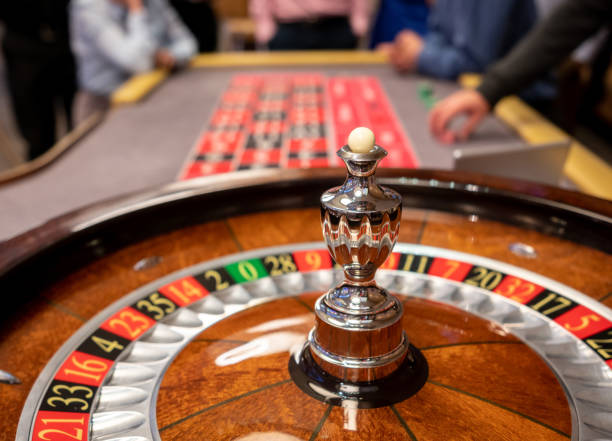
As gambling became more regulated, it also gained a reputation for sophistication and glamour. The introduction of games like roulette and baccarat in these casinos contributed to their allure. This formalization not only provided a framework for gambling but also led to the creation of specific laws and regulations, shaping the future of the industry.
The Digital Revolution: Online Gambling Emergence
The advent of the internet in the late 20th century brought about a seismic shift in the gambling landscape. Online casinos emerged in the 1990s, allowing players to enjoy games from the comfort of their homes. This innovation democratized gambling, making it accessible to a broader audience and providing an alternative to traditional land-based casinos.
Online gambling platforms introduced unique features such as live dealer games and interactive gaming experiences, further enhancing player engagement. As technology advanced, so did the sophistication of these platforms, leading to an explosion in mobile gambling. Today, online gambling continues to thrive, incorporating virtual reality and other cutting-edge technologies, transforming the way people perceive and engage with gambling.
Understanding Modern Gambling Platforms
As we explore the evolution of gambling, it is essential to recognize the pivotal role of modern platforms, particularly online casinos. These digital spaces provide users with a convenient and diverse gaming experience, catering to various preferences. Today’s online casinos focus on user experience, offering intuitive interfaces, a wide range of games, and attractive bonuses that enhance engagement.
With safety and fairness at the forefront, modern online casinos are equipped with advanced security measures, ensuring a secure environment for players. They also provide comprehensive resources to support responsible gambling, reflecting a growing awareness of the social responsibilities associated with the industry. Exploring these platforms today reveals a vibrant and evolving landscape that honors its rich history while embracing the future.